
Why Am I So Tired During Perimenopause? How My Smartwatch Data Changed My Daily Routine

In the past, there was usually an obvious reason for my exhaustion.
After spending long hours on my feet in a hotel kitchen, lifting heavy ingredients, or getting too little sleep, feeling tired made sense. A day or two of proper rest was usually enough for my body to recover.
Back then, my smartwatch was mainly a work tool. I used it to check the time, set multiple cooking timers, read urgent messages, and answer calls when my hands were busy. In a fast-moving kitchen, it was a small but useful piece of equipment that helped me stay on top of everything.

I still wear a smartwatch today, but the way I use it has completely changed.
It is no longer a tool that helps me move faster. Now, I use it mainly to understand how well my body has rested and recovered.
When Rest No Longer Felt Restorative
Fatigue began to feel different after I entered perimenopause.
Some mornings, my body felt heavy even when I had done nothing particularly demanding the day before. I could spend the whole night in bed and still wake up feeling as though I had not rested properly. Even simple household tasks seemed to require more energy than expected.
I knew what I needed to do, but some days my body simply did not follow.
At first, I wondered whether leaving full-time work had made my routine too relaxed. Perhaps I was tired because I was exercising less. I also questioned whether this was simply part of getting older.
It was difficult to understand how someone who had once managed long, demanding days in a hotel kitchen could now feel exhausted before an ordinary morning had properly begun.
When the fatigue continued even after I rested, I decided that I needed more than a vague impression of how I was feeling. That was when I began using the health features on my smartwatch more seriously.
Looking at Fatigue as a Pattern, Not Just a Feeling
The information I collected was fairly simple:
- My actual sleep duration and overall sleep pattern
- How often my sleep was interrupted during the night
- My total daily activity
- Changes in my usual step count
- My smartwatch’s physical energy or readiness score
- The days when my shoulder pain or hot flushes were worse
A consumer smartwatch is not a substitute for medical assessment. Its sleep-stage estimates and energy scores cannot diagnose the cause of fatigue.
However, when I reviewed these records together over time, certain patterns began to appear.
Spending many hours in bed did not necessarily mean that my body had recovered.
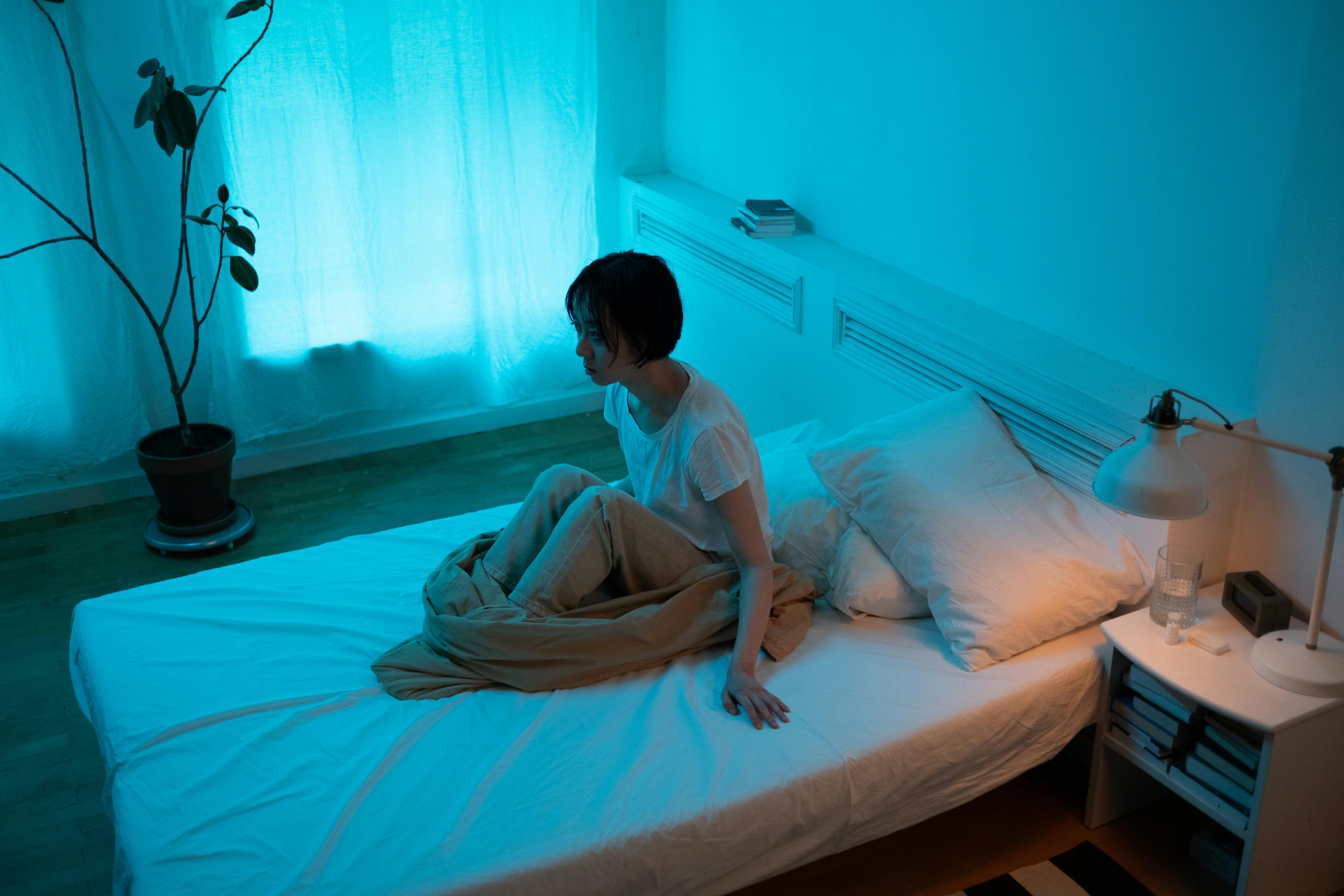
On nights when pain in both shoulders forced me to change positions repeatedly, or when hot flushes interrupted my sleep, the watch might still show a reasonable total sleep time. Yet I often woke up feeling heavy and unrefreshed.
I also noticed that doing less during the day did not always leave me with more energy. If pain had been worse or my sleep had been repeatedly interrupted, my physical energy still did not seem to recover properly.
On the other hand, when my sleep record was more stable and my body also felt reasonably well, it was usually easier to move through the day.
Before I started paying attention to these patterns, I often asked myself:
“Why am I so tired when I have hardly done anything?”
The records helped me ask a more useful question:
“Was my body actually able to rest last night?”
Perimenopause Fatigue Rarely Has Just One Cause
Perimenopause fatigue cannot always be explained by hormonal changes alone.
Hot flushes and night sweats can disturb sleep, and repeated awakenings may leave us feeling sleep-deprived the following day. Pain, mood changes, brain fog, and changes in menstrual patterns can add further layers to the exhaustion.
Australian health information describes sleep difficulties, hot flushes, night sweats and mood changes during the menopause transition. Persistent fatigue can also have other causes and deserves medical assessment. For further information, see Healthdirect Australia’s guidance on menopause and fatigue.
For me, pain in both shoulders became an important part of the pattern.
I often woke during the night to change positions and search for a less painful way to lie down. On days when hot flushes and brain fog were also worse, fatigue felt like more than sleepiness. It became harder to concentrate, my body felt unusually heavy, and even familiar tasks were difficult to begin.
My fatigue was not one isolated symptom that had appeared overnight. It seemed to come from several overlapping factors:
- Sleep disrupted by hot flushes
- Repeated awakenings caused by pain
- Brain fog and mental exhaustion
- Reduced physical activity
- Changes in my menstrual pattern
- Stress and shifts in mood
Each factor added a little more strain, eventually affecting how much energy I had the following day.
My Smartwatch Showed Me Patterns, Not Answers
Before I began reviewing the data, fatigue often seemed to arrive without warning. But when I looked at my sleep, activity, step count, and energy score together, I noticed that the previous day often carried over into the next.
At first, I sometimes felt pressured to reach a certain step count or improve a low energy score. Over time, I realised that forcing myself to meet a target on a difficult day defeated the purpose of tracking my health.
The numbers on my smartwatch were not a report card.
They were not there to make me think, “Why did I do so little today?” They were simply a reference that helped me ask, “How much can my body realistically manage today?”
The data did not remove my fatigue. It did, however, help me understand that exhaustion was not always a matter of motivation or willpower.
How I Adjust My Day Based on What I See
In the past, I decided what needed to be done first and expected my body to follow the plan. Now, I begin the morning by looking at both the previous night’s sleep record and how I actually feel.
If pain or hot flushes repeatedly disturbed my sleep and my body feels heavy, I avoid trying to complete several demanding tasks at once. On days when I have more energy, I do the work that requires concentration first.
I also adjust my walks with Mandoo rather than insisting on the same distance or pace every day.
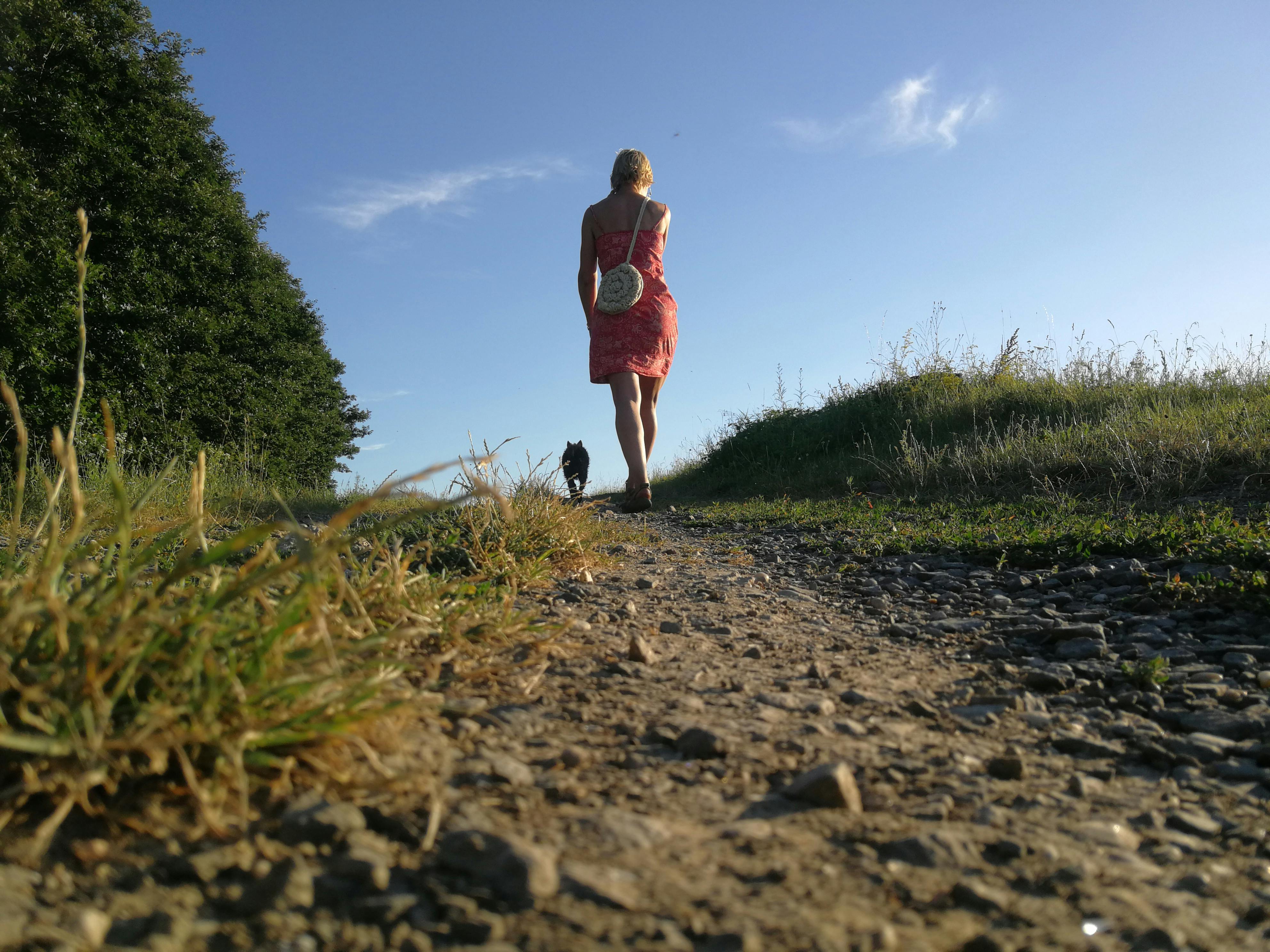
This does not mean that I allow my smartwatch score to overrule what my body is telling me. The data can look good while I still feel tired, and a low score does not always mean that I feel unwell.
When the numbers and my physical condition do not match, I listen to my body first.
Adjusting my day this way is not the same as giving up on it. It is a practical way to avoid using all my energy in the morning and feeling completely depleted by the afternoon.
Records That May Help During a Medical Appointment
A smartwatch cannot diagnose the cause of fatigue, but its records may help identify patterns and make it easier to describe symptoms to your GP.
| What the record or symptoms show | What else to consider | A possible next step |
|---|---|---|
| Enough total sleep, but frequent awakenings | Hot flushes, night sweats, or pain | Record what may have interrupted your sleep |
| A continuing decline in steps and activity | Pain, mood changes, or severe fatigue | Consider how daily functioning has changed |
| Fatigue that continues for several weeks despite rest | Sleep quality, medicines, mood, and other physical symptoms | Make an appointment with your GP |
| Heavier periods together with fatigue | Dizziness, shortness of breath, or heart palpitations | Ask your GP whether testing for iron deficiency or anaemia may be appropriate |
| Repeated snoring and morning headaches | Daytime sleepiness or breathing problems during sleep | Ask your GP whether a sleep assessment may be appropriate |
Instead of only saying, “I feel tired all the time,” it may be more helpful to explain when your sleep became more interrupted, how your activity level changed, and whether pain and fatigue tend to worsen together.
Not Every Kind of Fatigue Is Caused by Perimenopause
Fatigue is common during the menopause transition, but it should not automatically be blamed on hormonal changes.
Anaemia, thyroid conditions, sleep apnoea, depression, nutritional deficiencies, infections, and medication side effects can also cause ongoing exhaustion.
It is especially important to speak with your GP if fatigue lasts for several weeks despite adequate rest, or if it occurs with heavier menstrual bleeding, dizziness, shortness of breath, or heart palpitations.
Healthdirect Australia recommends seeing a doctor if fatigue worries you, stops you doing things, or lasts longer than two weeks without improving.
A normal smartwatch score should never be used to dismiss concerning symptoms. At the same time, one low score does not necessarily mean that there is a serious health problem.
Wearable data is not an answer. It is information that may help us ask better questions about our health.
Sage Journey’s Note
In the kitchen, my smartwatch helped me avoid losing track of time. It allowed me to set timers, check messages, and keep moving faster.
Now, I use the same watch to notice when I may need to slow down.
It has not treated my fatigue. But it has helped me replace the question, “Why can’t I do what I used to do?” with a more useful one: “What might be preventing my body from recovering?”
For me, managing perimenopause fatigue did not begin with trying to accomplish more. It began with recognising patterns that I could not see before and learning to live within the energy my body has available that day.
Frequently Asked Questions
Can perimenopause make you feel tired even after a full night in bed?
Yes. Total sleep time does not always reflect sleep quality. Hot flushes, night sweats, pain, and repeated awakenings can interrupt restorative sleep, leaving you tired even after spending many hours in bed. Persistent fatigue may also have causes unrelated to perimenopause, so it is worth discussing with your GP.
What smartwatch information can help me understand fatigue?
Sleep duration, nighttime awakenings, resting heart rate, daily activity, step count, and energy or readiness scores may help reveal patterns over time. These measurements are most useful when considered alongside symptoms such as hot flushes, pain, mood changes, and heavier menstrual bleeding.
Can a smartwatch diagnose the cause of perimenopause fatigue?
No. A consumer smartwatch cannot diagnose perimenopause, anaemia, thyroid conditions, sleep apnoea, or another medical cause of fatigue. It can provide useful background information, but the results should not replace medical evaluation or laboratory testing.
When should I speak with my GP about fatigue?
Seek medical advice if fatigue persists, interferes with everyday activities, or does not improve with rest. Heavier bleeding, dizziness, heart palpitations, unexplained weight changes, or severe daytime sleepiness also deserve medical attention. Seek urgent medical assistance for severe chest pain, significant difficulty breathing, fainting, or another medical emergency. In Australia, call Triple Zero (000) in an emergency.
Medical disclaimer: This article shares my personal experience and general health information. It is not medical advice and is not intended to replace assessment, diagnosis, or treatment from a qualified health professional. Consumer smartwatch and wearable-device measurements are not medical tests. Speak with your GP if you experience persistent or worsening fatigue, unusual bleeding, or other concerning symptoms. Seek urgent medical assistance for severe chest pain, significant difficulty breathing, fainting, or another medical emergency. In Australia, call Triple Zero (000) in an emergency.


Comments
Post a Comment
Welcome to a gentle space for connecting and sharing. To keep our community warm and safe, please share your thoughts with kindness. Commercial links or unkind words will be gently removed.